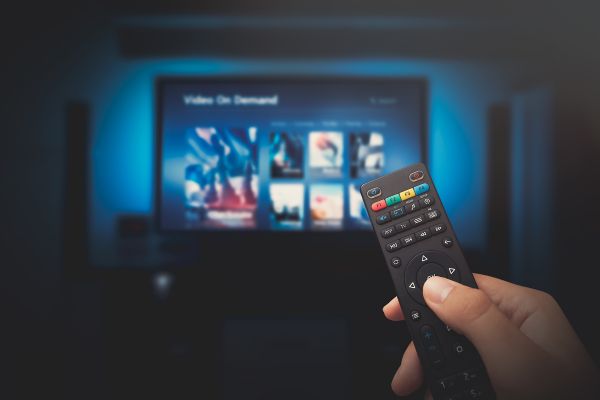
The way Americans watch television has changed dramatically over the past decade. Entertainment is no longer tied to a fixed schedule, a single television set, or a traditional cable package. Viewers increasingly expect to move between live programming, movies, series, and on-demand content without changing how they spend their evenings. That shift has made streaming services a central part of everyday entertainment for households that value convenience, choice, and control.
What makes the change especially significant is that streaming is no longer just an alternative to traditional television. For many people, it has become the default way to watch. A family might follow live programming on a television in the living room, continue a movie on a tablet, and later browse a series from a phone or computer. The experience is becoming less about the device and more about having entertainment available when and where it fits naturally into daily life.
Viewers Now Expect Entertainment on Their Own Schedule
Traditional television was built around schedules. Viewers had to know when a program was airing and be available at the right time. Although recording technology made television more flexible, streaming took that flexibility much further by making on-demand viewing a standard expectation.
Today, people commonly decide what to watch only after they sit down. Some may want a live channel, while others prefer a movie or several episodes of a series. This ability to move between different types of content has changed how people think about television itself. Instead of planning the evening around a broadcast schedule, viewers can build entertainment around the time they actually have available.
This approach works particularly well for households with different routines. Parents may watch something after children go to bed, younger viewers may prefer mobile devices, and other family members may want live television at the same time. Flexible viewing makes it easier for entertainment to fit around these different habits.
Live Television and On-Demand Content Are Coming Together
One of the biggest developments in streaming has been the gradual blending of live television and on-demand entertainment. Earlier streaming platforms often focused almost entirely on libraries of movies and previously released shows. Meanwhile, viewers who wanted live programming usually needed a separate television service.
That separation is becoming less important. Modern viewers often want both experiences available from the same general setup. They may tune into live television for a particular program and then switch to an on-demand movie without wanting to change devices or completely rethink how they access entertainment.
The result is a more unified viewing experience. Live content still matters because some entertainment is best enjoyed as it happens, while on-demand libraries provide the freedom to watch something later. Having access to both reflects the way many households actually consume media rather than forcing viewers into a single viewing style.
The Television Is No Longer the Only Important Screen
Large televisions remain popular, especially for movies and shared viewing, but they are now only one part of the entertainment environment. Phones, tablets, laptops, desktop computers, smart televisions, and dedicated streaming devices all play a role.
This change has made device compatibility an important consideration when choosing a streaming service. A platform can have an appealing content selection, but the experience becomes frustrating if it does not work well with the devices people already own. Consumers increasingly want to know whether they can watch on a smart television, continue on a mobile device, or use a computer without complicated setup.
Screen flexibility also changes where entertainment happens. A movie night may still take place in the living room, but a series can be continued while travelling, relaxing in another room, or using a smaller personal screen. Streaming works best when viewers can choose the screen that suits the moment instead of having the technology dictate where they must watch.
Picture Quality Has Become Part of the Everyday Decision
As televisions and internet connections have improved, viewers have become more aware of picture quality. High-definition viewing is now expected by many consumers, while Full HD and 4K options have become increasingly relevant for people with compatible televisions and sufficiently fast internet connections.
However, higher resolution is only useful when the rest of the viewing setup can support it. The quality available to a viewer may depend on the content itself, the device being used, the internet connection, and the capabilities of the display. This is why consumers benefit from checking compatibility rather than assuming every program will automatically play at the highest possible resolution.
A good streaming experience is therefore about more than advertising a resolution number. Reliability, device support, internet performance, and the type of content being watched all contribute to how enjoyable the final picture actually looks.
Consumers Are Paying More Attention to Flexibility
Another important change is the way people think about subscriptions. Traditional television contracts often required long commitments and bundled channels together whether viewers wanted them or not. Streaming has encouraged consumers to expect more control over the length and structure of their entertainment plans.
Some viewers may only want access for a short period, while others prefer a longer arrangement once they know a service suits their needs. The ability to compare different durations makes it easier to choose an option based on actual viewing habits rather than automatically committing to a lengthy agreement.
Trials can also help people understand whether a service works well with their devices and routine before making a larger commitment. What matters is not simply finding the cheapest option, but finding a plan that provides the right balance of content, compatibility, support, and flexibility.
Simple Setup and Support Matter More Than They Used To
Streaming may appear straightforward, but consumers still encounter practical questions. A device may need a compatible application, an internet connection may affect performance, or a viewer may need help understanding how to begin using a new service.
Because of this, clear setup guidance and accessible customer support can make a meaningful difference. The best viewing experience often begins before the first program starts. Knowing which devices are supported, what type of connection is needed, and where to get assistance can prevent unnecessary frustration.
This is especially important as streaming reaches a broader audience. Not every viewer is interested in troubleshooting technical problems. Many simply want to choose entertainment, press play, and enjoy it. Services that make compatibility and setup easier to understand are better aligned with that expectation.
Choosing a Streaming Service Is Becoming a More Personal Decision
There is no single streaming setup that works perfectly for every household. Some people care most about live television, while others mainly watch movies and series. One household may prioritize a large-screen 4K experience, while another may care more about being able to watch from several different types of devices.
That is why consumers benefit from looking beyond a service name and considering how it fits their own habits. A viewer researching FocalFlix, for example, can consider the combination of live television and on-demand viewing alongside device compatibility and the way they normally watch at home or on personal screens. Comparing available streaming plan options can also help determine whether a shorter or longer arrangement makes sense, while existing users may need convenient access to their customer account as part of managing the service.
The broader trend is clear: Americans increasingly expect television to adapt to them rather than the other way around. Live programming still has a place, movies and series remain central to entertainment, and the television screen is far from disappearing. What has changed is the level of control viewers expect over when they watch, where they watch, and how long they commit to a service. As streaming continues to evolve, that flexibility is likely to remain one of the defining features of modern entertainment.