
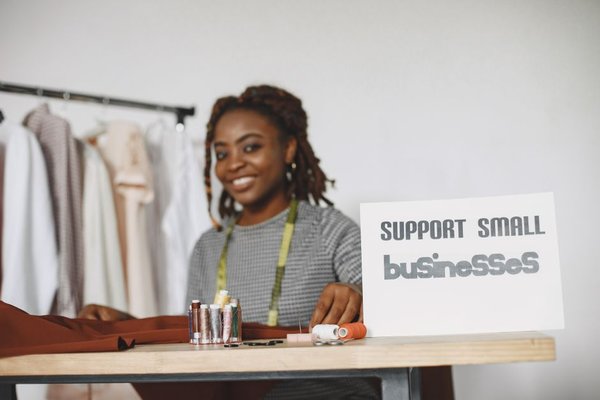
A neighborhood bakery and a software startup may both begin with one person, modest savings, and a serious commitment to making something work. Yet their founders might have very different ideas about success. One may want a dependable local business; the other may be testing a product designed for thousands of customers. That distinction sits at the heart of the entrepreneur vs small business owner comparison.
Entrepreneur and Small Business Owner: What Do the Terms Mean?
An entrepreneur identifies an opportunity and organizes resources to pursue it, often by introducing a new product, process, or market approach. Entrepreneurship can happen inside a small company, a growing startup, or an established organization. It does not require inventing revolutionary technology.
A small business owner owns and usually manages an independently operated business of limited size. That could mean a cleaning company, repair shop, consultancy, restaurant, or online store. The term describes the business and its ownership more than the owner’s appetite for innovation.
These are not opposing legal classifications. In the United States, the Small Business Administration uses industry-specific size standards, generally based on employee counts or annual receipts, for certain programs. Calling someone an entrepreneur does not change those rules. A person can comfortably be both.
Key Differences in Goals and Day-to-Day Decisions
Growth: Expansion Versus a Sustainable Size
A startup founder may design a business around rapid expansion, recurring revenue, or entering several markets. Hiring and reinvestment become priorities even before profits are predictable. Many small business owners instead aim for stable earnings, loyal customers, and a workload they can sustain.
But growth is a choice, not a test of legitimacy. A family-owned service company can expand nationally, while an entrepreneur may deliberately keep a venture small. Compare the actual goal rather than assuming every founder wants the same destination.
Innovation: New Models Versus Proven Demand
Entrepreneurs are often associated with testing unfamiliar solutions: a different delivery model, a new audience, or a more efficient process. Small business owners may compete through consistency, convenience, trust, and local knowledge.
That is a difference in emphasis, not a rule. A neighborhood salon that launches a clever subscription service is acting entrepreneurially. A technology company that copies a familiar business model is not automatically more innovative because it uses software.
Risk: Different Exposures, Not Different Levels of Courage
Both paths involve risk. A growth-focused venture may spend heavily on development before knowing whether enough customers will buy. A local shop may face rent increases, seasonal sales, staffing shortages, or dependence on a handful of regular customers.
Consider what could actually go wrong: cash running out, the market rejecting an idea, or the owner being unable to work. A carefully tested startup might be financially safer than an overleveraged traditional business. Risk depends on decisions and circumstances, not the title on a business card.
Scale: Replicable Systems Versus Hands-On Service
A scalable model can serve more customers without increasing costs at the same rate. Digital products, licensing, and standardized services sometimes offer that possibility. A local service business may grow more directly with staff hours, equipment, and available locations.
Neither model is universally preferable. Scalability can demand investment and complex management; a hands-on business can deliver dependable margins and a stronger personal connection with customers. Some owners deliberately trade maximum scale for control.
Ownership Style: Building an Organization or Running the Operation
An owner-operator might personally manage bookings, staff, purchasing, and customer relationships. Another founder may concentrate on partnerships, product direction, hiring managers, and building systems that work without constant supervision.
These roles can change over time. A small business owner who delegates daily operations may become more strategic, while an early-stage entrepreneur often handles every task personally. The important difference is how the owner wants to use their time.
Funding and Measures of Success
Entrepreneur vs business owner discussions often suggest that entrepreneurs seek investors and small businesses rely on savings or bank loans. In reality, both can bootstrap, borrow, bring in partners, or pursue outside investment. Funding should fit the business model and the owner’s willingness to share control.
Success can also look different. One founder tracks customer acquisition, retention, and expansion potential. Another cares more about positive cash flow, repeat customers, employee stability, and personal income. Neither scorecard is complete on its own: fast growth without healthy economics can fail, and steady profits cannot excuse neglected customers or staff.
A Practical Example: Two Ways to Build a Cleaning Business
Imagine two people launching residential cleaning services in the same city. Maya wants six reliable employees, predictable bookings, and enough profit to support her family. She invests in training, reviews, scheduling, and long-term neighborhood relationships.
Daniel tests a booking platform that connects independent cleaners with customers. His goal is to expand across cities, so he spends more time on software, customer acquisition costs, quality controls, and whether the service works without his direct involvement.
Maya is commonly described as a small business owner; Daniel is pursuing a more startup-like approach. Yet Maya might innovate with refillable products or a new recurring-service package, and Daniel still owns a small business during his early stages. Their strategies differ, but both must deliver a service customers trust.
The actionable lesson is to write down your desired business size, monthly income, working hours, and expansion timetable before choosing technology or funding. Those decisions reveal more about your path than either label.
Which Path Fits Your Priorities?
If you enjoy direct customer relationships, want more control over your schedule, and prefer a business you can understand locally, an owner-operated model may appeal. If you enjoy testing uncertain ideas, building repeatable systems, and managing growth, a startup approach may be more attractive.
Neither route guarantees freedom or financial security. Before committing, explore how to validate a business idea, create a practical business plan, and compare startup funding options. Then ask whether the business still looks attractive after accounting for ordinary workdays, setbacks, and the responsibilities of employing people.
Frequently Asked Questions
Can a small business owner also be an entrepreneur?
Yes. A person who owns a small company and develops new products, processes, or markets can fit both descriptions. The terms highlight different aspects of the same person’s work.
Do entrepreneurs take more risks than small business owners?
Not necessarily. A new market creates uncertainty, but a traditional business can carry substantial financial and personal risk. Debt, operating costs, demand, and the owner’s financial cushion matter more than labels.
Is owning a small business less successful than building a startup?
No. Success depends on the owner’s objectives and results. A profitable, resilient local company can be an excellent outcome, just as a growing venture can create value. Revenue, profit, lifestyle, and impact all deserve consideration.
The Real Distinction Is How You Want to Build
The most useful entrepreneurship differences concern growth objectives, innovation, scalability, risk, and the owner’s role. They are tendencies rather than rigid dividing lines. Instead of choosing between impressive-sounding titles, choose a business model that matches the customers you serve, the resources you have, and the life you want to create.