
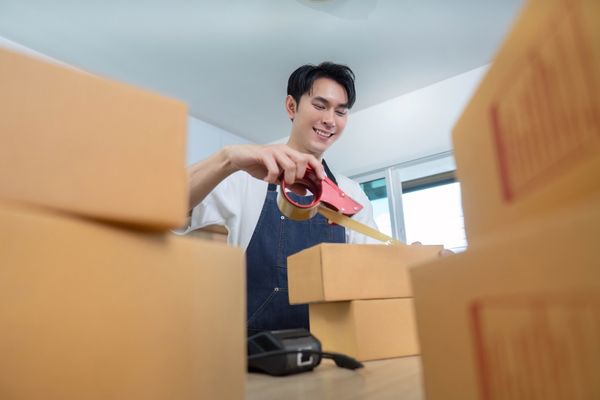
Running an online store sounds exciting, and honestly, it is. But let’s be real for a second—selling products is only half the battle. The other half, the part that truly makes or breaks your business, is fulfillment. Orders need to be packed, shipped, tracked, returned, and sometimes fixed when things go wrong. That’s where smart E-commerce fulfillment strategies come into play.
If fulfillment feels overwhelming, you’re not alone. Many store owners hit a growth ceiling simply because their fulfillment process can’t keep up. The good news is that with the right approach, fulfillment can become a competitive advantage instead of a constant headache.
Understanding What E-commerce Fulfillment Really Means
Before diving into strategies, it helps to zoom out for a moment. E-commerce fulfillment is everything that happens after a customer clicks “Buy Now.” It includes inventory storage, order processing, picking and packing, shipping, delivery, and even returns. In short, it’s the entire backend operation that ensures customers actually receive what they ordered.
The thing is, customers don’t see most of this work. They only notice when something goes wrong or when something goes surprisingly right. Fast shipping, accurate orders, and smooth returns create trust. Messy fulfillment does the opposite.
That’s why choosing the right E-commerce fulfillment strategies early on can save you time, money, and a whole lot of stress later.
In-House Fulfillment and When It Makes Sense
In-house fulfillment is where many online stores begin, and for good reason. You store inventory yourself, pack orders personally, and handle shipping on your own terms. This approach gives you total control over branding, packaging, and customer experience.
For small or new stores, in-house fulfillment often feels manageable. Orders are limited, storage needs are low, and you can adjust quickly when something changes. Plus, there’s something satisfying about handling every order yourself, especially in the early days.
That said, as orders increase, cracks begin to show. Packing boxes late at night, running out of storage space, and juggling shipping rates can quickly become exhausting. In-house fulfillment works best when volume is predictable and growth is still controlled. Once scaling starts, many sellers realize they need a different plan.
Outsourcing Fulfillment for Faster Growth
Outsourcing is one of the most popular E-commerce fulfillment strategies for stores ready to grow. Instead of handling logistics yourself, you partner with a fulfillment provider that stores your inventory and ships orders on your behalf.
This approach can dramatically reduce workload and speed up delivery times. Many fulfillment centers have multiple warehouse locations, allowing you to ship orders closer to customers. Faster delivery usually leads to happier customers, better reviews, and higher repeat purchases.
Of course, outsourcing isn’t perfect. You give up some control, and costs can increase depending on storage fees and order volume. But for many businesses, the trade-off is worth it. When done right, outsourced fulfillment allows you to focus on marketing, product development, and customer relationships instead of boxes and labels.
Dropshipping as a Low-Risk Fulfillment Model
Dropshipping flips traditional fulfillment on its head. Instead of holding inventory, you sell products that are shipped directly from a supplier to the customer. This model eliminates storage costs and upfront inventory investment, making it attractive for beginners.
As one of the more flexible E-commerce fulfillment strategies, dropshipping allows you to test products quickly. If something sells well, great. If it doesn’t, you simply move on. There’s minimal risk, which is appealing, especially in competitive niches.
However, dropshipping comes with challenges. Shipping times can be longer, quality control is harder, and profit margins are often thinner. Customer service can also get tricky when you’re relying on a third party for fulfillment accuracy. Dropshipping works best when paired with reliable suppliers and transparent communication with customers.
Hybrid Fulfillment for Balanced Operations
Some stores don’t fit neatly into one fulfillment category. That’s where hybrid fulfillment steps in. This approach combines multiple E-commerce fulfillment strategies based on product type, order volume, or customer location.
For example, a store might fulfill best-selling products through a third-party warehouse while dropshipping slower-moving items. Others handle local orders in-house and outsource international shipping. Hybrid models offer flexibility, which is crucial as businesses evolve.
The key to hybrid fulfillment is organization. Inventory tracking, order routing, and customer communication must stay seamless. When managed properly, hybrid strategies allow businesses to scale efficiently without locking themselves into a single system.
Managing Inventory Without Losing Your Mind
Inventory management is the backbone of fulfillment, yet it’s often overlooked. Overstocking ties up cash and space. Understocking leads to delays and disappointed customers. Finding balance takes data, patience, and regular review.
Modern tools make inventory tracking easier than ever. Real-time stock updates, demand forecasting, and automated reordering help prevent costly mistakes. Even if you’re using simple systems, consistency matters. Regular audits and clear SKU labeling can go a long way.
Strong E-commerce fulfillment strategies always include a solid inventory plan. Without it, everything else eventually falls apart.
Shipping Speed and Customer Expectations
Shipping has changed. What once felt fast now feels slow. Customers expect quick delivery, real-time tracking, and clear communication. Meeting these expectations doesn’t always mean offering overnight shipping, but it does mean being honest and reliable.
Clear delivery timelines build trust. If shipping takes five days, say so. Surprising customers with earlier delivery is great. Surprising them with delays is not. Choosing carriers wisely, negotiating rates, and offering multiple shipping options can improve satisfaction without crushing margins.
Shipping isn’t just a cost. It’s part of the customer experience, and smart fulfillment strategies treat it that way.
Handling Returns Without Damaging Your Brand
Returns are unavoidable. No matter how good your products are, some customers will send them back. The way you handle returns matters more than the return itself.
A smooth return process shows professionalism and builds loyalty. Complicated or confusing return policies push customers away. The best E-commerce fulfillment strategies treat returns as a chance to strengthen relationships, not just a loss.
Clear instructions, fast refunds, and responsive support go a long way. Even when a sale doesn’t stick, a positive return experience can bring customers back later.
Technology and Automation in Fulfillment
Automation is no longer a luxury. It’s becoming essential. From order routing to shipping label generation, technology reduces human error and saves time. Even small stores can benefit from basic automation tools.
Integrating your store with fulfillment software keeps everything connected. Orders flow automatically, inventory updates in real time, and tracking information reaches customers without manual effort. The result is fewer mistakes and smoother operations.
Good E-commerce fulfillment strategies don’t rely on hustle alone. They rely on systems that scale as the business grows.
Adapting Fulfillment as Your Store Evolves
What works today may not work six months from now. Growth changes everything. Order volume increases, customer expectations rise, and fulfillment pressure intensifies.
Successful store owners revisit their fulfillment strategies regularly. They test new solutions, adjust shipping methods, and stay open to change. Flexibility is often the difference between scaling smoothly and hitting operational walls.
There’s no single perfect strategy. The best approach is the one that fits your current stage while leaving room for growth.
Bringing It All Together
At the end of the day, fulfillment isn’t just about shipping boxes. It’s about delivering trust. Strong E-commerce fulfillment strategies help your store run smoothly behind the scenes while customers enjoy a seamless experience up front.
Whether you’re packing orders at home, working with fulfillment partners, or blending multiple approaches, the goal remains the same. Get the right product to the right customer at the right time, without unnecessary friction.
When fulfillment works, everything else feels easier. Marketing performs better, customers come back, and growth feels sustainable instead of stressful. So take the time to build a fulfillment strategy that actually supports your vision. Your future self, and your customers, will thank you.